What is BIM and Why It Matters in Malaysia (2026 Guide)
What is BIM?
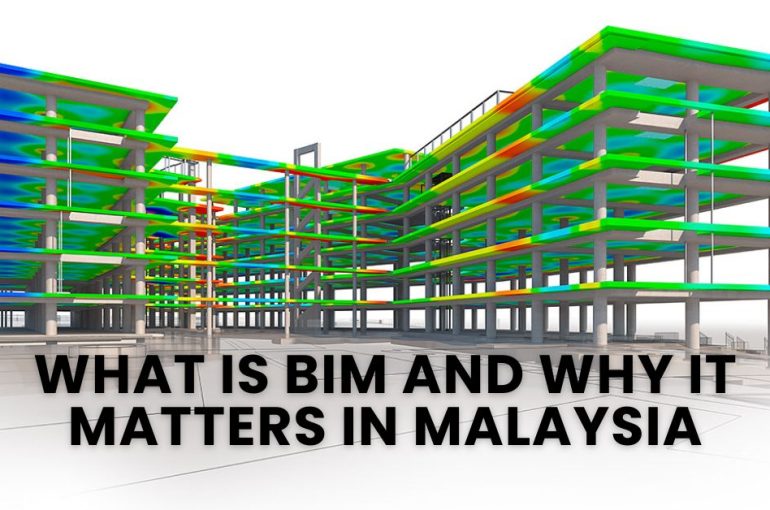
Building Information Modelling (BIM) is a process that allows architects, engineers, and construction professionals to work on a shared digital model of a building.
Instead of separate drawings and documents, BIM connects everything — design, data, and documentation — into one coordinated system.
This means changes made in one part of the model are reflected across the entire project, reducing errors and improving efficiency.
How BIM Works
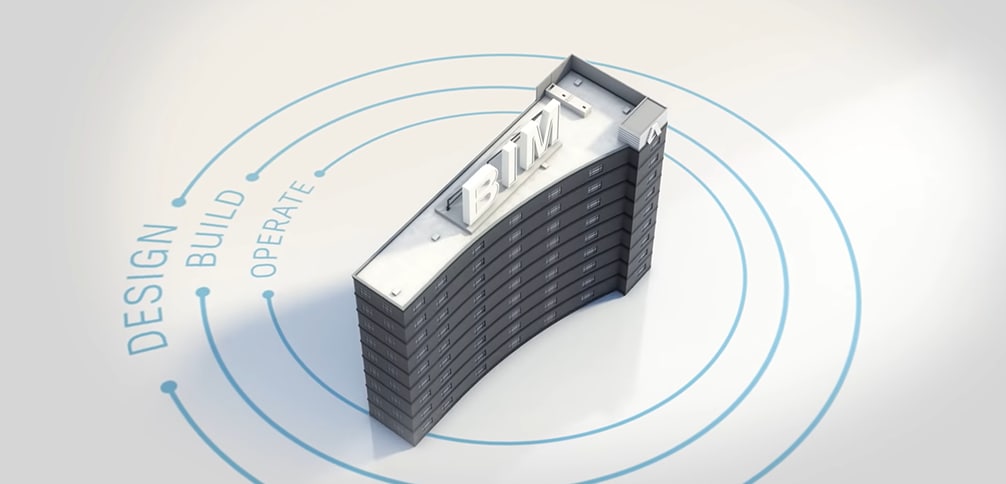
At its core, BIM is more than just 3D modelling.
It combines:
- 3D design (visual representation of the building)
- Data integration (materials, specifications, quantities)
- Collaboration (multiple teams working on the same model)
Tools like Autodesk Revit are commonly used to create and manage BIM models, especially for architectural, structural, and MEP workflows.

Why BIM Matters in Malaysia
BIM adoption in Malaysia has been growing steadily, especially with government and large-scale project requirements pushing for more digital workflows.
Here’s why it’s becoming essential:
1. Better Project Coordination
BIM allows architects, engineers, and contractors to work on a shared model, reducing clashes and miscommunication.
2. Improved Efficiency
Changes are automatically updated across drawings and schedules, saving time and reducing manual work.
3. Cost and Time Savings
By identifying issues early, BIM helps avoid costly mistakes during construction.
4. Industry Demand
More companies in Malaysia are looking for BIM-skilled professionals, making it a valuable skill for career growth.
BIM vs Traditional Workflow
| Traditional Workflow | BIM Workflow |
|---|---|
| Separate 2D drawings | Integrated 3D model |
| Manual updates | Automatic updates |
| Higher risk of errors | Better coordination |
| Limited collaboration | Real-time collaboration |
Is BIM Only for Large Projects?
Not necessarily.
While BIM is often associated with large developments, smaller firms are also adopting it to stay competitive and improve workflow efficiency.
Even basic BIM implementation can:
- Improve drawing consistency
- Reduce coordination issues
- Enhance presentation quality
Getting Started with BIM
If you’re new to BIM, the transition doesn’t have to be overwhelming.
Most professionals start by:
- Learning BIM fundamentals
- Using tools like Revit for modelling and documentation
- Gradually integrating BIM into existing workflows
Final Thoughts
BIM isn’t just a trend — it’s becoming the standard for how projects are designed and delivered.
The question is less about whether to adopt BIM, and more about when.
Looking to Get Started with BIM?
Whether you’re exploring BIM for the first time or planning to implement it in your projects, having the right tools and guidance makes all the difference.
Contact our team to learn more about BIM solutions, training, and software options tailored to your needs.
Or join one of our workshops to see how BIM works in a real project environment.